|
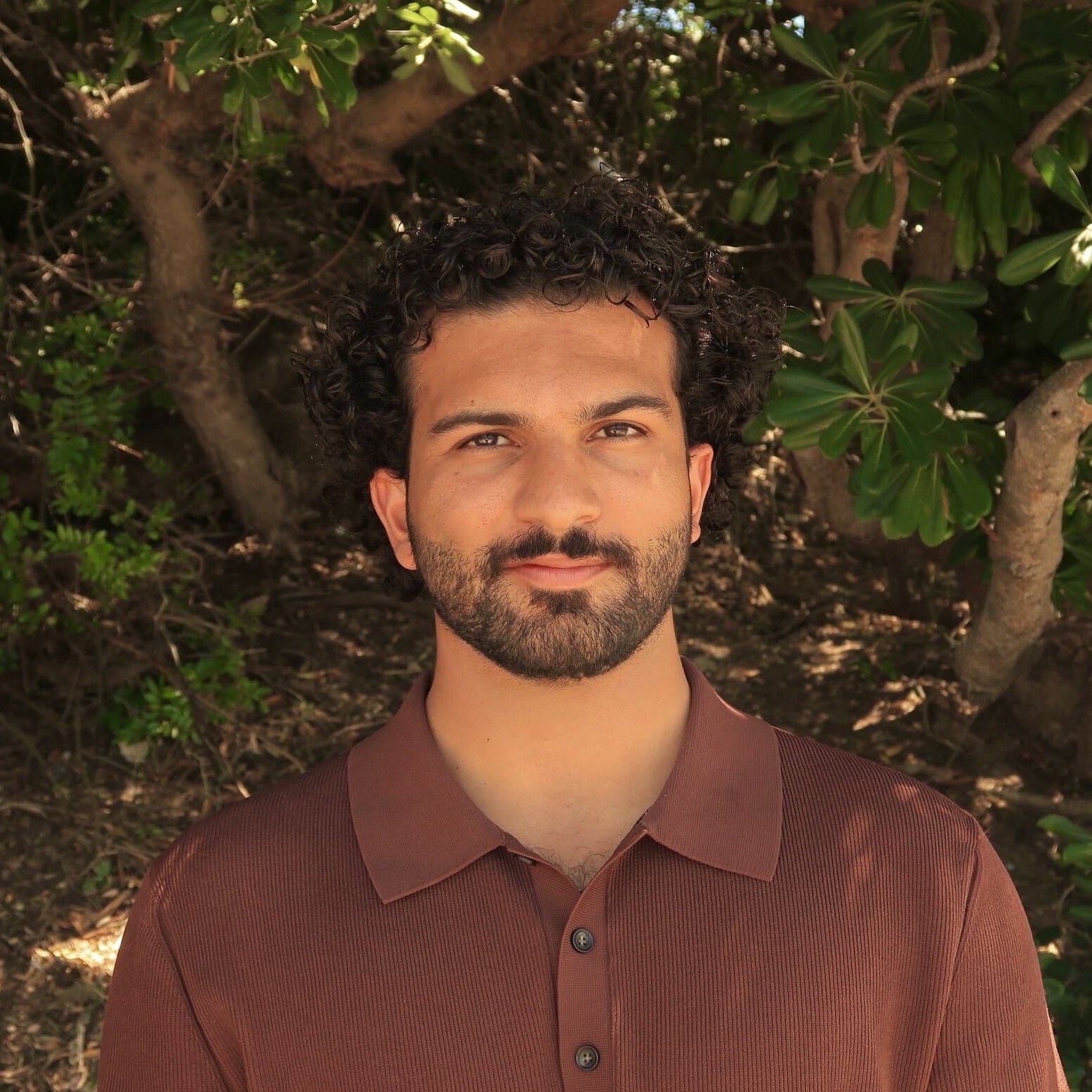
Hooman Ramezani I'm Hooman, an ML Specialist Solutions Architect at Nebius. I work with clients to get the best performance when migrating large-scale ML workloads onto next-generation GPUs, profiling and optimizing training runs and tuning inference engines like vLLM and SGLang on NVIDIA B300 and GB300 clusters. My expertise spans GPU performance optimization across large-scale ML workloads, including CUDA-level profiling, kernel and memory optimization, low-precision compute, and multi-node communication. Recently I co-authored a joint blog post with Meta's PyTorch team on 41% faster DeepSeek-V3 pre-training, presented at NVIDIA GTC 2026. Before Nebius, I did my BASc in Systems Design Engineering at the University of Waterloo and my MASc at the University of Toronto. My master's thesis research focused on training small transformers for clinical segmentation and detection, with first-author work published at CVPR. In my free time you can find me playing guitar. See more here. |
|
Research and ProjectsI am interested in large-scale ML systems, GPU performance optimization, and AI for healthcare applications. My research experience spans my current work at Nebius on training and inference optimization, previous work with the UW VIP Lab, and my master's thesis research at UofT. |
|
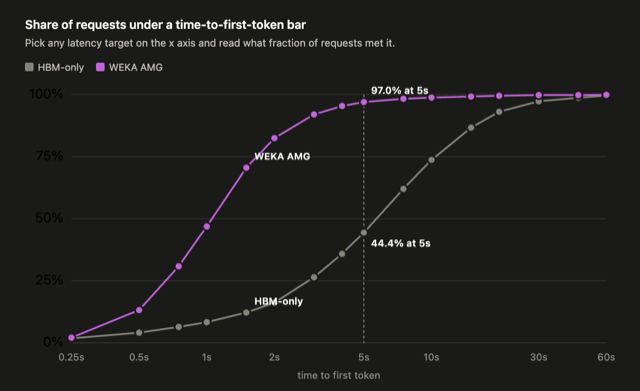
Distributed KV Cache for AI Agents: 2.4x More Requests on NVIDIA B300
Hooman Ramezani, Alexey Averin, Ford Shaper, Anton Bykov, 2026 WEKA Blog / Nebius Blog Led the Nebius side of bringing a distributed KV cache to market as a product on Nebius AI Cloud, giving every GPU server a shared memory of past context for AI agents. On NVIDIA B300 GPUs it served 2.4x more requests on the same hardware, with a 5.4x faster first token. |
|
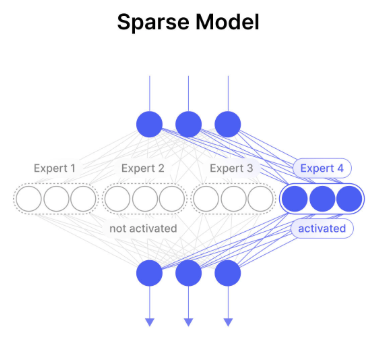
NVSHMEM and DeepEP for Wide Expert Parallelism
Hooman Ramezani, Nebius Team, 2026 Blog / Open Solution / DeepEP Authored Nebius's deep dive on why mixture-of-experts training gets bottlenecked by GPU-to-GPU communication, and how GPU-initiated RDMA with NVSHMEM and DeepEP fixes it. Includes an open-source recipe to run it on Nebius. |
|
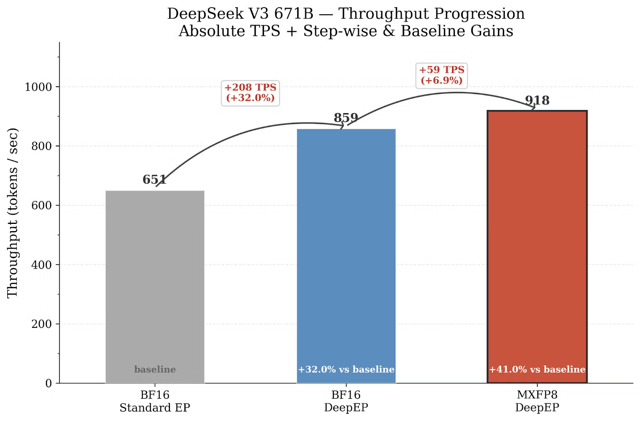
PyTorch Blog: Enabling Up to 41% Faster Pre-training: MXFP8 and DeepEP for DeepSeek-V3 on B200 with TorchTitan
Hooman Ramezani, Meta PyTorch and Nebius Teams, 2026 Blog / Open Solution / TorchTitan Co-authored a joint blog post with Meta's PyTorch team, presented at NVIDIA GTC 2026. We accelerated pre-training of DeepSeek-V3, a 671B-parameter frontier model, by 41% on 256 NVIDIA B200 GPUs with no loss in model quality, combining Blackwell-native MXFP8 training with DeepEP's optimized kernels for mixture-of-experts communication. |
|
LN-Transformer: Lung Nodule Transformer for Sparse CT Segmentation
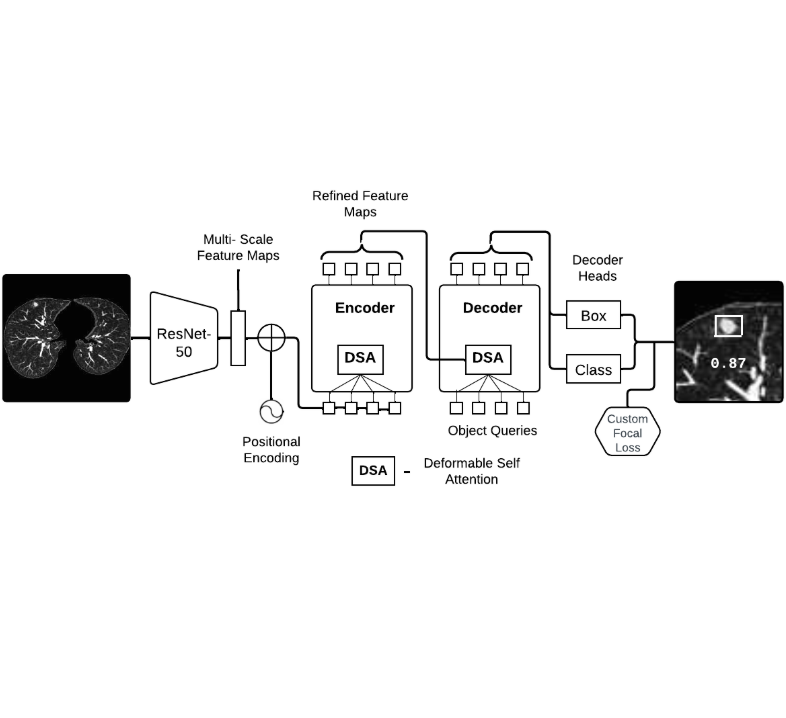
Hooman Ramezani, Charlotte Vedrines, Dionne Aleman, Daniel Létourneau, CVPR, 2025 Paper / CVF Published at CVPR 2025, a novel two-stage transformer for lung nodule segmentation. Strongest model on benchmark dataset with Dice 91.4%, F1 94.2%, combining Meta SAM and DETR architectures. |
|
Lung-DETR: Deformable Detection Transformer for Sparse Lung Nodule Anomaly Detection
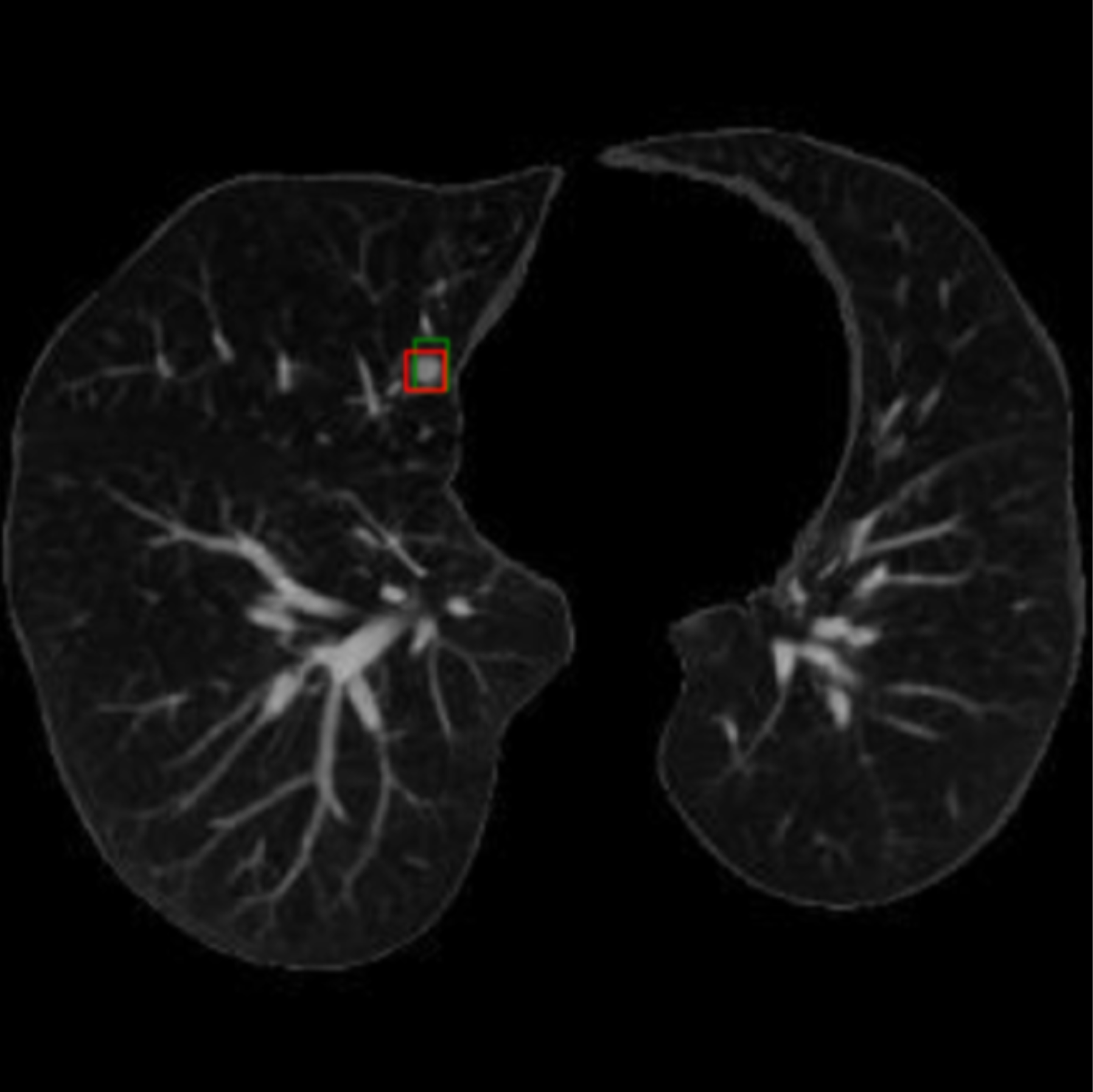
Hooman Ramezani, Dionne Aleman, Daniel Létourneau, arXiv, 2024 arXiv A novel architecture to detect lung tumors, designed to handle extreme class imbalance and find tumors among vast amounts of healthy tissue. |
|
Enhancing DL Interpretability: IBA for Transformer Attribution
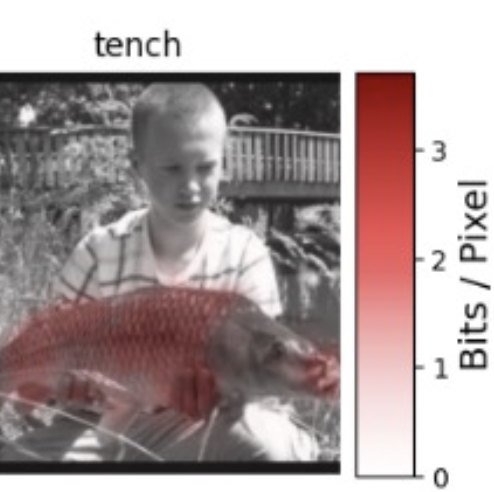
Hooman Ramezani, University of Toronto, 2024 Paper / Presentation Information Bottleneck Attribution (IBA) leverages principles from information theory to identify critical information in neural networks for decision-making attribution. In this work IBA is successfully applied to CNN and Transformer models, enabling a detailed analysis of model decision-making. |
|
Parkinson's Freezing of Gait Detection
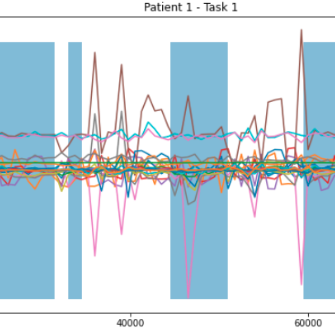
Hooman Ramezani, Medical Time Series Deep Learning, 2023 Paper / GitHub A deep learning network for time-series analysis designed to identify gait freezing in patients with Parkinson's disease, utilizing biometric signals for the prevention of falls. |
|
Rat-Brain-Inspired Reinforcement Learning for Optimal Pathfinding in Mazes
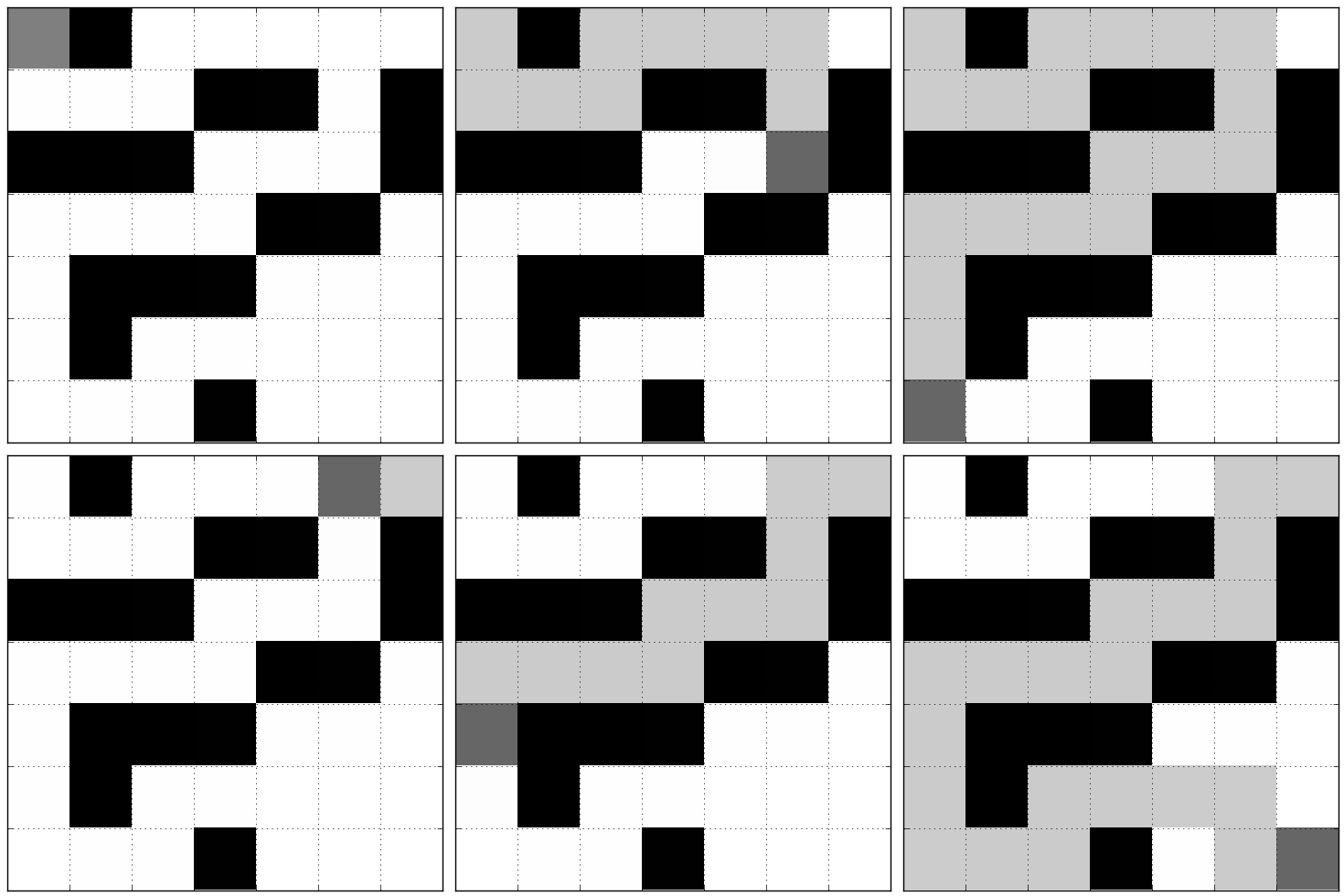
Hooman Ramezani, Computational Neuroscience, 2023 Paper / GitHub A deep reinforcement learning model inspired by the basal ganglia of mouse brains, designed to master maze navigation using Q-learning. It showcases the intricacies of decision-making and learning as the model identifies optimal paths through mazes. |
|
Grasp-Proposition-Net: Robotic Vision For Grasping Everyday Objects
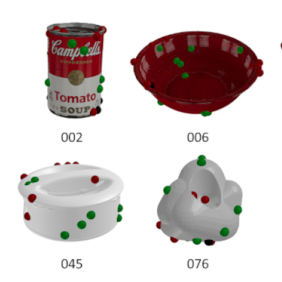
Hooman Ramezani, UW VIP Lab, 2022 GitHub Developed a 3D computer vision model with VIP-Lab and Festo for a robotic arm, designed to determine optimal grasp points using LiDAR camera data. |

|
Drone-Aided Surface Defect Detection
Hooman Ramezani, Applied Brain Research, Vision Model with Temporal Context, 2021 GitHub A highly accurate embedded model for classifying surface defects via drones, utilizing a convolutional-RNN architecture and synthetic data generation. Model is optimized for on-device execution in real-world applications. |